The London Tea Merchant
| Velvet — Moon (Roasted Oolong) VN101 (spring 2026) ·
| Velvet — Moon (Roasted Oolong) VN101 (spring 2026) ·
Couldn't load pickup availability
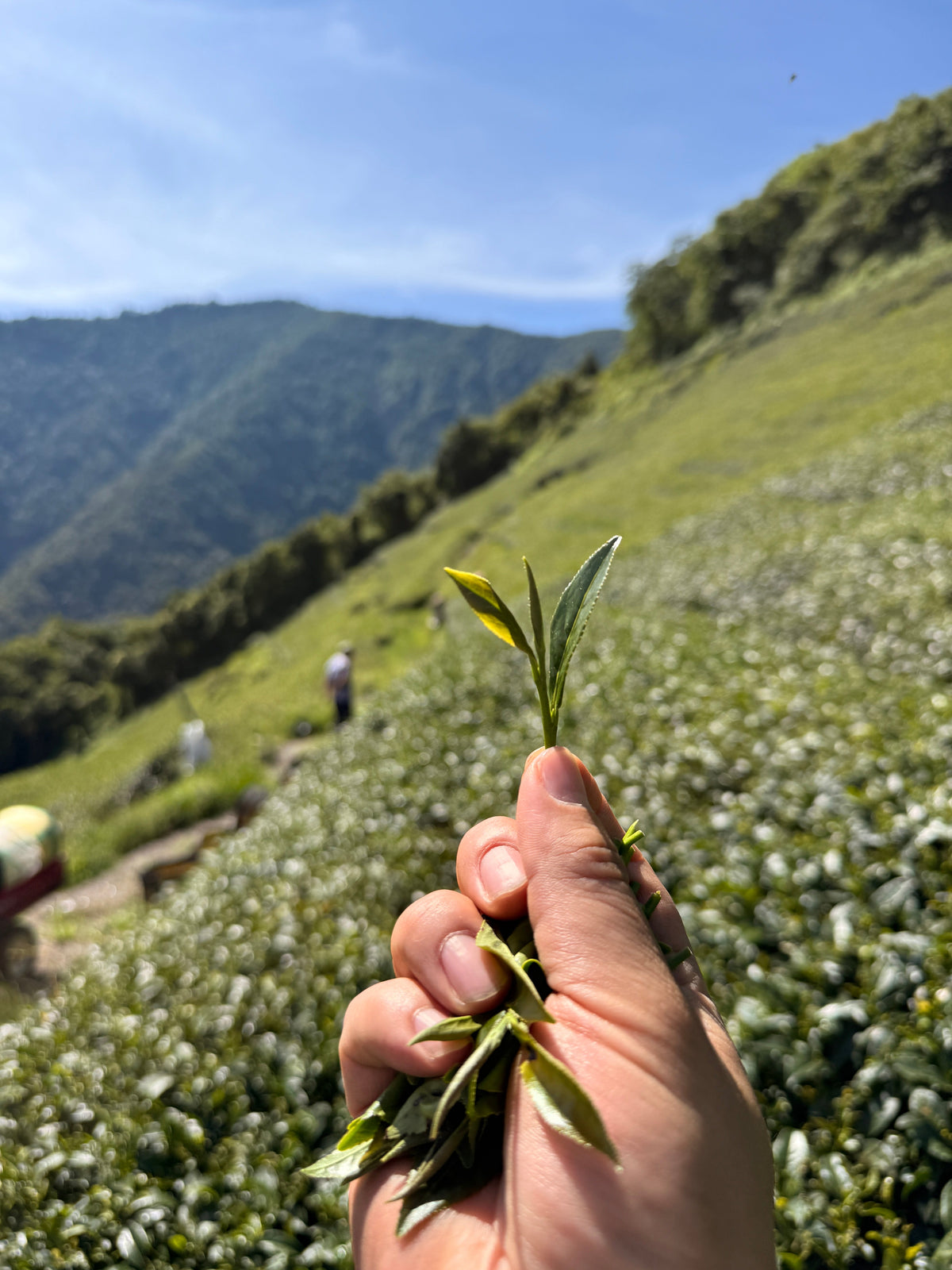
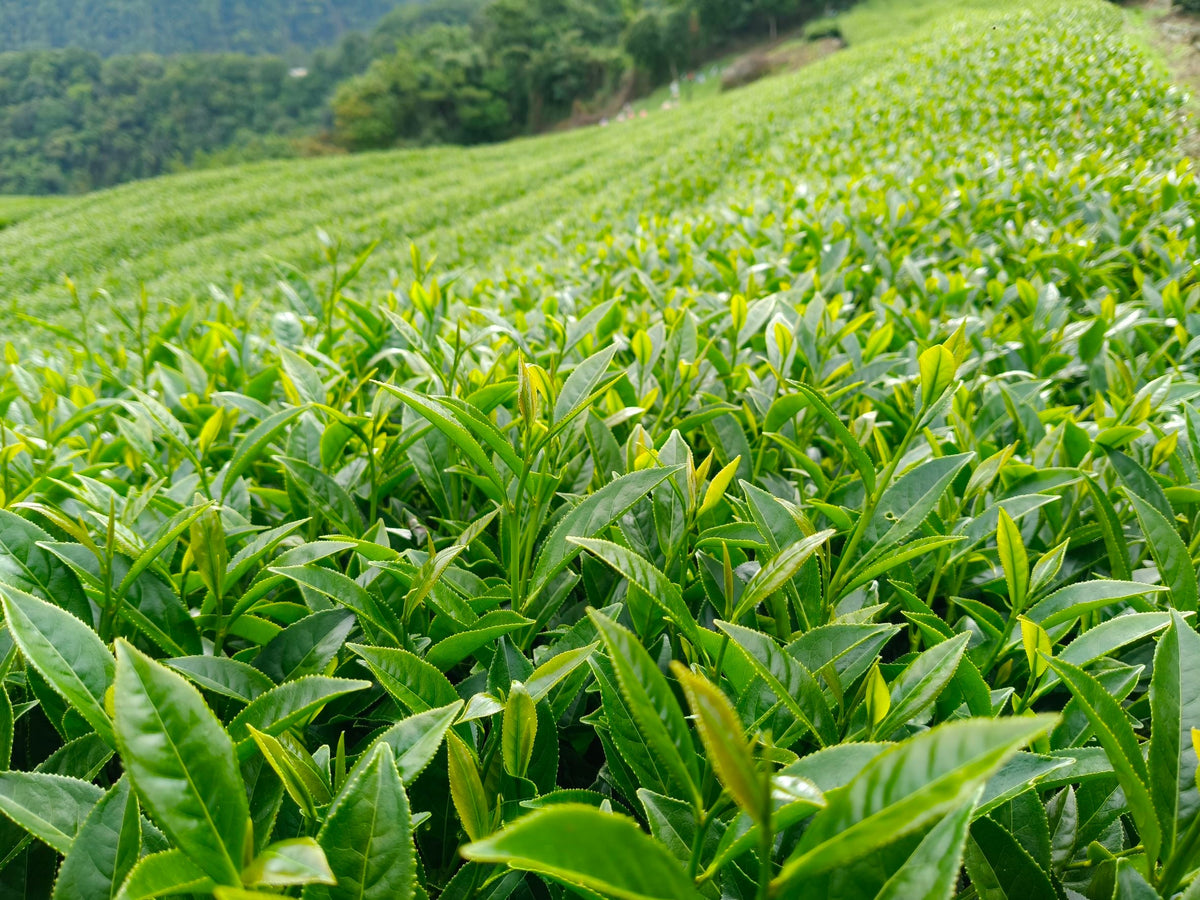
Grown at close to 2,000 metres on south-facing slopes, this tea carries the signature character of the Qilai terroir: aromatic, full, and grounded. Where high-altitude teas from other regions can read as delicate or airy, Qilai oolongs tend toward substance — a rounder body, a fragrance that fills rather than floats. The Qingxin cultivar, the standard-bearer of Taiwan high mountain tea, finds particular expression here in the extended growing cycles that altitude enforces. Unhurried growth. Roasting draws out what the mountain built into the tea — the density of the terroir becomes warmth, the aromatics settle into something deeper and more persistent.
The Region — Qilai
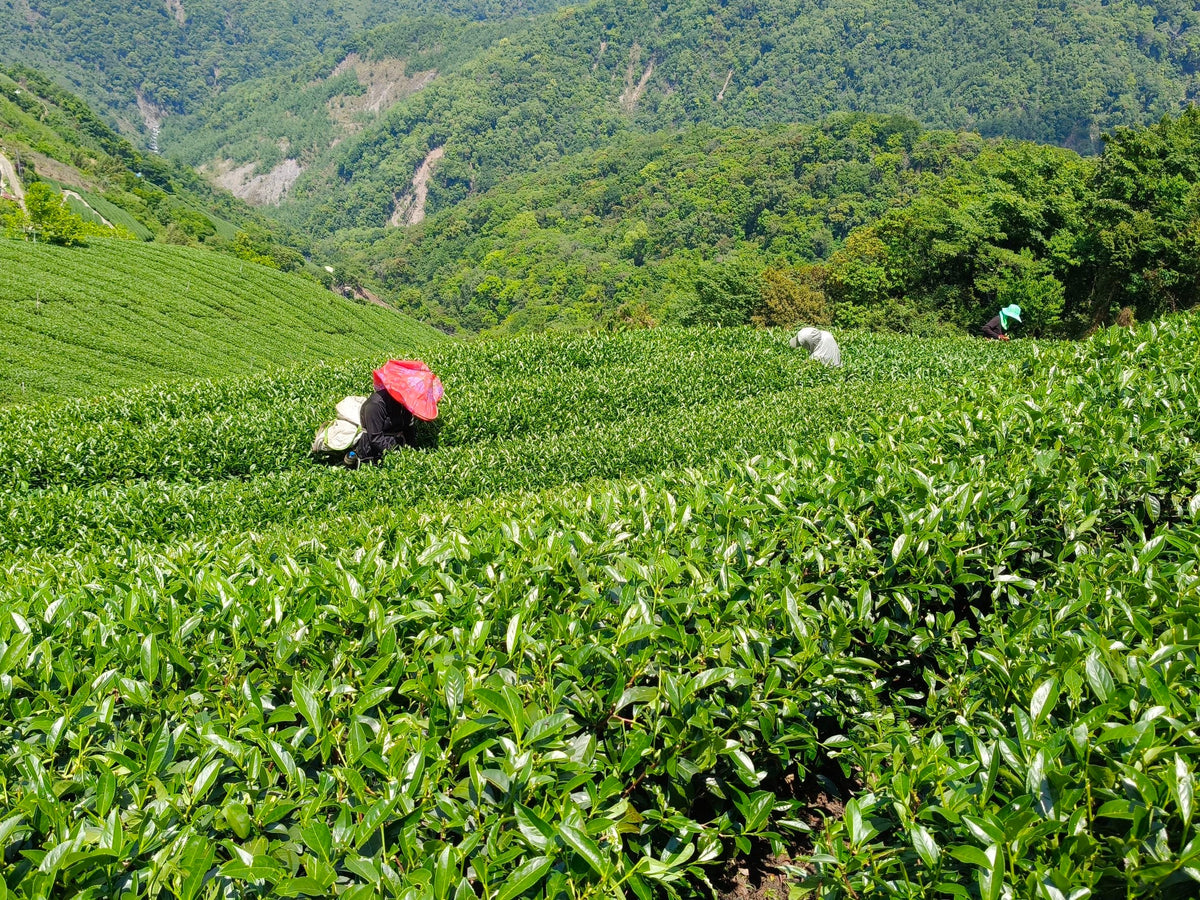
▪ Qilai sits in the Hualien highlands of central-eastern Taiwan, at elevations between 1,900 and 2,000 metres. The mountain faces the sun more directly than neighbouring ranges, which gives its teas a fuller, more radiant aromatics — what growers here call 陽香, sun-facing fragrance. The soil is rocky and free-draining, forcing tea roots to work deeper and harder. This produces leaves with density and concentration that the softer, clay-based soils of other high-mountain regions don't easily replicate. The tradeoff is vulnerability to dry spells and a naturally limited yield. At this altitude, the mountain allows three harvests a year.
The Garden — Qilai Yang’s —
Qilai Yang’s was founded in 1985 by a former police officer from Taipei who came to the mountains on assignment and never quite left. He retired early, found land, and began growing tea at a time when Taiwan's high-mountain tea culture was just finding its footing. His son runs the garden today — the second generation on the same slopes.
The farm holds tea gardens on both Qilai and the neighbouring Cuifeng ridge. The two are kept entirely separate. | Every harvest, every elevation, every day of picking is processed and sold as its own tea. No blending. The reasoning is simple: clean, single-origin tea has a clarity that a blend rarely improves on.
Share